
Subtotal $0.00


Why Electrical & Computer Diagnostics Are So Hard to Get Right
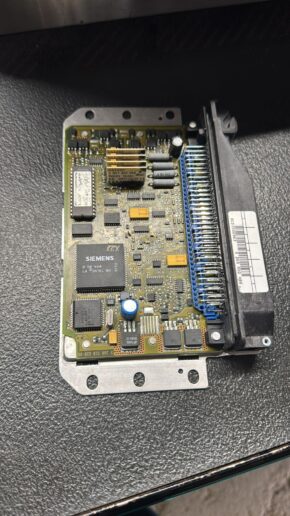
Modern vehicles are no longer just mechanical machines. They’re complex networks of computers, sensors, wiring, and software that all have to work together seamlessly. When something goes wrong, the symptoms aren’t always clear — and the cause isn’t always where you’d expect.
This is why electrical and computer-related problems are some of the hardest issues to diagnose correctly, and why they’re so often misdiagnosed.
Today’s Vehicles Are Built on Interconnected Systems
Most vehicles on the road today rely on dozens of control modules that communicate constantly. A fault in one system can trigger warning lights or symptoms in an entirely different area of the vehicle.
For example, what looks like a bad sensor may actually be:
- A wiring or connection issue
- A communication problem between modules
- A software-related fault
- Or a mechanical issue affecting electronic readings
Without understanding how these systems interact, it’s easy to replace the wrong part — sometimes more than once.
Trouble Codes Point to Symptoms, Not Always the Cause
One of the most common misconceptions is that a diagnostic trouble code tells you exactly what’s wrong. In reality, a code is more like a starting point. It indicates where a system noticed a problem, not necessarily why that problem occurred.
This is why simply reading codes and replacing parts can lead to:
- Repairs that don’t fix the issue
- Warning lights that return
- New symptoms appearing later
Proper diagnostics require testing beyond the code itself.
Electrical Problems Don’t Always Fail Consistently
Unlike many mechanical failures, electrical and computer-related issues can be intermittent. They may only occur under certain conditions — such as temperature changes, vibration, or specific driving patterns.
This is why some problems:
- Come and go without warning
- Don’t show active fault codes
- Are difficult to duplicate during a quick inspection
Diagnosing these issues requires time, patience, and a methodical approach.
Wiring, Voltage, and Software All Matter
Electrical diagnostics aren’t just about components — they’re about how power and data move through the vehicle. Small issues like voltage drops, poor grounds, or damaged wiring can cause big problems across multiple systems.
On top of that, modern vehicles rely heavily on software.
Missed updates, incomplete calibrations, or mismatched modules from previous repairs can all lead to unpredictable behavior that’s invisible without proper diagnostic tools.
Why Guess-Based Repairs Fail With Electrical Issues
When electrical or computer problems are diagnosed by guessing, the results are often frustrating. Parts get replaced, symptoms change, and the original problem remains.
Over time, this can make diagnosis even harder, especially when multiple components have already been replaced without resolving the root cause. A diagnostics-first approach helps prevent this cycle by focusing on evidence rather than assumptions.
Why Proper Diagnostics Make the Difference
Accurate electrical and computer diagnostics involve more than just tools — they require experience interpreting data and understanding how systems behave when they’re working correctly.
At Auto IQ, diagnostics are approached as a process. This includes verifying symptoms, analyzing live data, testing circuits and communication networks, and confirming findings before recommending any repair.
This approach helps ensure that when a repair is made, it’s based on a clear understanding of the problem.
Clear Answers in a Complex World
As vehicles continue to evolve, electrical and computer diagnostics will only become more important. Whether you’re dealing with an intermittent issue, unexplained warning lights, or a problem other shops haven’t been able to resolve, proper diagnostics are the foundation of a reliable repair.
Clear answers don’t come from guesswork — they come from understanding how the system works as a whole.

Comments are closed